
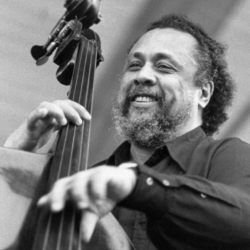
Jazz Musician – Charles Mingus was a Letter Carrier in Los Angles (1949) and Clerk in New York City, NY (1952)

Jazz Musicians: Charles Mingus (1995)
And in a poetic twist, the USPS later honored him with a 1995 U.S. postage stamp — a full‑circle moment for a former postal worker turned American icon .
Before Charles Mingus became one of the most influential figures in 20th‑century jazz, he held a steady, ordinary job that grounded him long before fame found him: he worked for the U.S. Postal Service. It’s a surprising chapter in the life of a man better known for explosive creativity, uncompromising artistry, and a legacy that reshaped American music.
From Postal Clerk to Jazz Innovator
Born in 1922 in Nogales, Arizona, and raised in Los Angeles, Mingus grew up in a strict household where only church music was allowed. Yet he gravitated toward Duke Ellington, blues, and the emerging language of bebop.
In his early adulthood — before his career took off — Mingus worked as a postal employee, one of several day jobs he held while studying music, practicing bass, and writing early compositions. The stability of postal work helped support him during the years when he was still developing his voice as a musician.
This period is rarely discussed, but it mattered: it gave him time, structure, and the financial footing to pursue the demanding musical training that would later define his career.
A Career That Redefined Jazz
Once Mingus left the Post Office and committed fully to music, his rise was meteoric. Over the next three decades he became:
- A virtuosic bassist
- A fearless bandleader
- A composer on the level of Ellington
- A pioneer of collective improvisation
- A creator of landmark albums like Pithecanthropus Erectus (1956), Mingus Ah Um (1959), and The Black Saint and the Sinner Lady (1963)
His ensembles functioned like laboratories — demanding, intense, and wildly creative. Many musicians who passed through his bands went on to major careers of their own.
Legacy
By the time of his death in 1979, Mingus had transformed jazz composition, expanded the expressive possibilities of the bass, and left behind a body of work so significant that the Library of Congress acquired his archives, calling it one of the most important jazz collections in its history .
His music still lives through the Mingus Big Band, the Mingus Dynasty, and countless students who play his charts today.
